Veterinary Courses
Veterinary courses can help you learn animal anatomy, physiology, diagnostics, and treatment protocols. You can build skills in surgical techniques, anesthesia management, and client communication. Many courses introduce tools like diagnostic imaging equipment, laboratory analysis software, and electronic health records, that support effective veterinary practice and patient care.
Popular Veterinary Courses and Certifications

The University of Edinburgh
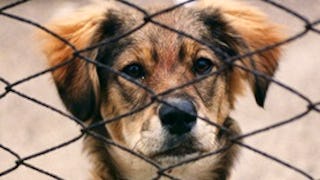
Skills you'll gain: Anatomy, Respiratory Care, Pathology, Vital Signs, Cardiology, Basic Patient Care, Physiology, Patient Observation, Health Care, Clinical Assessment, Cell Biology, Patient Communication
The University of Edinburgh
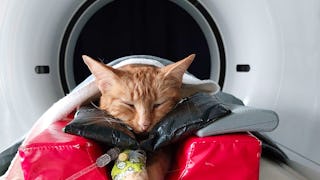
Skills you'll gain: Pain Management, Applied Behavior Analysis, Scientific Methods, Behavior Management, Psychological Evaluations, Stress Management, Empathy & Emotional Intelligence, Ethical Standards And Conduct, Science and Research
The University of Edinburgh
Skills you'll gain: Anesthesiology, Post-Anesthesia Care Unit, Pre-Anesthetic Assessment, Pain Management, Patient Education And Counseling, Patient Preparation, Patient Education and Support, Stress Management, Preventative Care, Perioperative Care, Operating Room (OR), Clinical Practices, Scientific Methods, Behavioral Health, Patient Observation, Behavior Management, Positive Behavior Support, Long Term Care, Sensory Systems Analysis, Pharmacology

University of Florida
Skills you'll gain: Nutrition and Diet, Nutritional Assessment, Preventative Care, Behavior Management, Anatomy, Vital Signs, Physiology, Sensory Systems Analysis, Infectious Diseases, First Aid, Ancient History

Rice University
Skills you'll gain: Medical Terminology, Medical History Documentation, Pulmonology, Cardiology, Electronic Medical Record System, Medical Records, Endocrinology, Human Musculoskeletal System, Respiratory Care, Orthopedics, Obstetrics And Gynecology, Respiration, Neurology, Gynecology, Urology, Hematology, Health Information Management and Medical Records, Anatomy, Immunology, Communication
University of Michigan
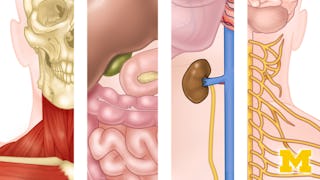
Skills you'll gain: Sensory Systems Analysis, Human Musculoskeletal System, Anatomy, Endocrinology, Pulmonology, Cardiology, Respiration, Hematology, Obstetrics And Gynecology, Orthopedics, Neurology, Hemodynamics, Nephrology, Kinesiology, Physiology, Urology, Pathology, Immunology, Cell Biology, Biology
What brings you to Coursera today?

University of Illinois Urbana-Champaign
Skills you'll gain: Nutritional Assessment, Predictive Analytics, Machine Learning Methods, Maternal Health, Machine Learning, Diagnostic Tests, Health Systems, Operating Cost, Nutrition and Diet, Market Dynamics, Water Resources, Food Safety and Sanitation, Manufacturing and Production, Behavioral Economics, Business Economics, Environment, Molecular Biology, Production Management, Consumer Behaviour, Molecular, Cellular, and Microbiology

Skills you'll gain: Patient Registration, Medical Records, Medical Billing and Coding, Medical Office Procedures, Health Insurance Portability And Accountability Act (HIPAA) Compliance, Patient Communication, Health Information Management, Revenue Cycle Management, Electronic Medical Record, Records Management, Clinical Documentation, Patient Safety, Care Coordination, Data Entry, Scheduling, Inventory Management System, Medical Terminology, Regulatory Compliance, Key Performance Indicators (KPIs), Quality Assurance

University of Colorado Boulder
Skills you'll gain: Culture, Social Sciences, Sociology, Anthropology, Social Justice, Healthcare Ethics, Environment, Human Relations Movement, Laboratory Research, Child Welfare, Behavioral Health, Mental Health, General Science and Research, Media and Communications, Empathy & Emotional Intelligence, Ethical Standards And Conduct, Health Care, Food and Beverage, Social Impact, Rehabilitation
Universitat Autònoma de Barcelona
Skills you'll gain: Laboratory Testing, Medical Laboratory, Laboratory Techniques, Pathology, Laboratory Procedures, Diagnostic Tests, Endocrinology, Clinical Laboratory Science, Biochemistry, Nephrology, General Medical Tests and Procedures, Biochemical Assays, Urinalysis, Physiology, Arterial Blood Gas Analysis

The University of Edinburgh
Skills you'll gain: Culture, Sensory Systems Analysis, Positive Behavior Support, Behavior Management, Scientific Methods, Behavioral Management, Caregiving, Non-Verbal Communication, Ethical Standards And Conduct, Science and Research, Research, Biology


Rice University
Skills you'll gain: Medical Terminology, Human Musculoskeletal System, Orthopedics, Medical History Documentation, Medical Records, Electronic Medical Record System, Urology, Health Information Management and Medical Records, Anatomy, Nephrology, Diagnostic Tests
What brings you to Coursera today?
In summary, here are 10 of our most popular veterinary courses
- EDIVET: Do you have what it takes to be a veterinarian?: The University of Edinburgh
- Animal Behaviour and Welfare: The University of Edinburgh
- Animal Welfare in the Clinic: The University of Edinburgh
- The Horse Course: Introduction to Basic Care and Management: University of Florida
- Medical Terminology: Rice University
- Anatomy: University of Michigan
- Dairy Nutrition for Udder Success: University of Illinois Urbana-Champaign
- Optimizing the Clinic: Basics of Medical Office Management: Coursera
- Animals and Society: University of Colorado Boulder
- Bioquímica clínica en Veterinaria: Universitat Autònoma de Barcelona










